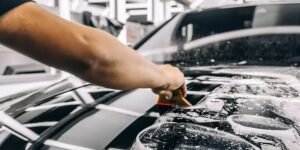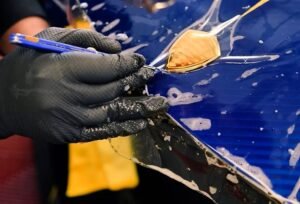
Paint protection film (PPF) is designed to shield your car’s factory paint from rock chips, road debris, and harsh environmental scratches. However, when car owners look into it, the first question is always: How much does paint protection film cost, and is it actually worth it?
Generally, a full-body professional paint protection film installation costs around $5,000 to $8,000, depending on your car’s size, model, and design complexity. But whether or not this is worth the money depends heavily on your driving habits, budget, and long-term goals.
If you drive a luxury vehicle, plan to keep your car for years, or want to maximize its resale value, premium TPU PPF is a solid investment. For daily drivers, brands like MOKfilm now offer top-tier aliphatic TPU protection at a much more accessible price point, balancing high performance with smart economics.
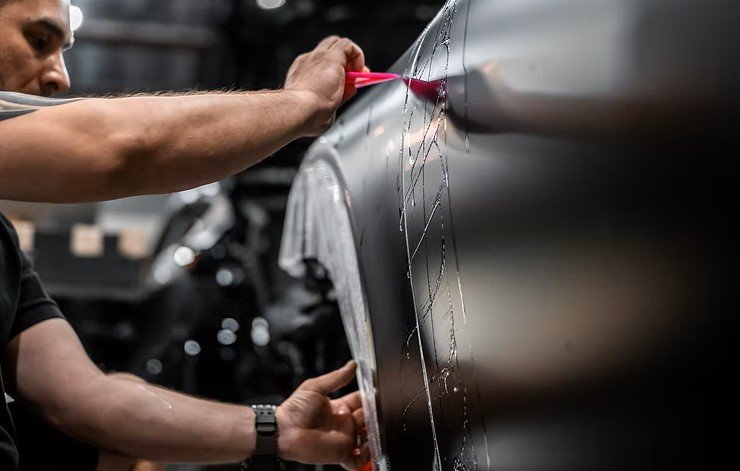
Breakdown of PPF Paint Protection Film Cost
The cost of paint protection film varies based on three major pillars: coverage area, film quality (TPU vs. cheap PVC), and installer experience. The more coverage you choose, the higher the upfront cost—but also the ultimate level of protection.
1. Full-Body PPF Wrap: $5,000 – $8,000
This is the ultimate level of automotive defense. A full-body PPF wrap means every single painted surface is completely covered, preventing rock chips, shopping cart dings, and environmental hazards like acid rain, bird droppings, or UV oxidation.
Pros: Maximum 360-degree protection; flawless preservation of resale value; advanced self-healing properties eliminate minor wash swirls automatically.
Cons: High upfront cost; not always necessary for vehicles that spend most of their time locked in a garage.
2. Partial PPF (Front-End Protection): $1,100 – $2,000
Often called a “Clear Bra” or “Front-End Package,” this covers high-impact zones: the hood, front bumper, fenders, side mirrors, and headlights. This is where 90% of road debris hits your vehicle.
Pros: Shields the most vulnerable areas; highly cost-effective; ideal for highway commuters.
Cons: Leaves doors and rear panels exposed; cheaper films may show visible edges over time if not wrapped properly.
PPF vs. Ceramic Coating: Which is Better?
Many car owners confuse PPF with ceramic coatings. While both keep your car looking glossy, they serve entirely different engineering purposes.
| Feature | PPF (Paint Protection Film) | Ceramic Coating |
| Protection Level | High – Absorbs physical rock chips and scratches | Moderate – Chemical defense, zero rock chip protection |
| Scratch Resistance | Yes – True TPU self-heals with sun heat | Somewhat – Reduces micro-swirls but cannot repair them |
| Hydrophobic Properties | Yes – Premium films include top-coats | Excellent – Extreme water and dirt repellency |
| Longevity | 5 – 10 Years (Brand dependent) | 2 – 5 Years (Requires maintenance) |
| Average Cost | $1,300 – $7,000+ | $500 – $2,500+ |
Which One Should You Choose?
Get PPF if: You despise rock chips, drive frequently on highways, or own a vehicle with soft factory paint that damages easily.
Get Ceramic Coating if: Your main goal is making the car incredibly easy to wash, you want a mirror-like shine, and you don’t mind the occasional physical rock chip.
Can You Combine Both? Absolutely. Applying a premium ceramic coating on top of your PPF gives you the ultimate shield: the impact resistance of the film combined with the hyper-slick, hydrophobic ease of a coating. Always install the PPF first so the adhesive can bond directly to the clean factory clear coat.
Why MOKfilm is the Best PPF Investment
If you are evaluating paint protection film costs, you don’t just want the cheapest option—you want the best value for your money. MOKfilm manufactures next-generation, high-molecular aliphatic TPU films designed to outperform industry standards without the inflated luxury markup.
Furthermore, automotive professionals and car enthusiasts prefer MOKfilm due to our core technological advantages:
Advanced Heat-Activated Self-Healing: Micro-scratches and swirl marks disappear smoothly under sunlight or warm water within minutes.
Optical Clarity & Zero Orange Peel: MOKfilm enhances your car’s natural paint depth, delivering an ultra-glossy, crystal-clear finish.
Non-Yellowing Weather Resistance: Engineered with premium UV-stabilized hydrophobic top-coats, MOKfilm prevents discoloration and cracking even in desert-like solar climates.
Installer-Friendly Adhesion: Our specialized pressure-sensitive adhesive allows for easy repositioning during installation, minimizing edge lifting and installation errors.
Frequently Asked Questions (FAQs)
Is PPF worth it on an average daily driver?
Yes. Indeed, if you plan to trade in or sell your daily driver in 3 to 5 years, maintaining original factory paint free of rock chips can significantly increase your vehicle’s resale value, easily offsetting the initial partial PPF cost.
How long does MOKfilm PPF last?
When properly maintained, a standard MOKfilm TPU wrap lasts between 5 to 10 years. In addition, it comes backed by our comprehensive warranty against staining, cracking, and premature bubbling.
Will PPF damage my car's paint if removed?
Not at all. As long as the vehicle has original factory paint and the film is removed correctly using a controlled heat source or steam, the film will peel off cleanly without leaving sticky residue behind.
Protect your investment with technology you can trust. [Contact the MOKfilm Team Today] to get a custom quote or to explore our premium TPU bulk rolls for your restyling shop.